It was a Zen temple, after all. The oldest Zen temple in Kyoto, as a matter of fact. No wonder I felt so zen-ny in there.
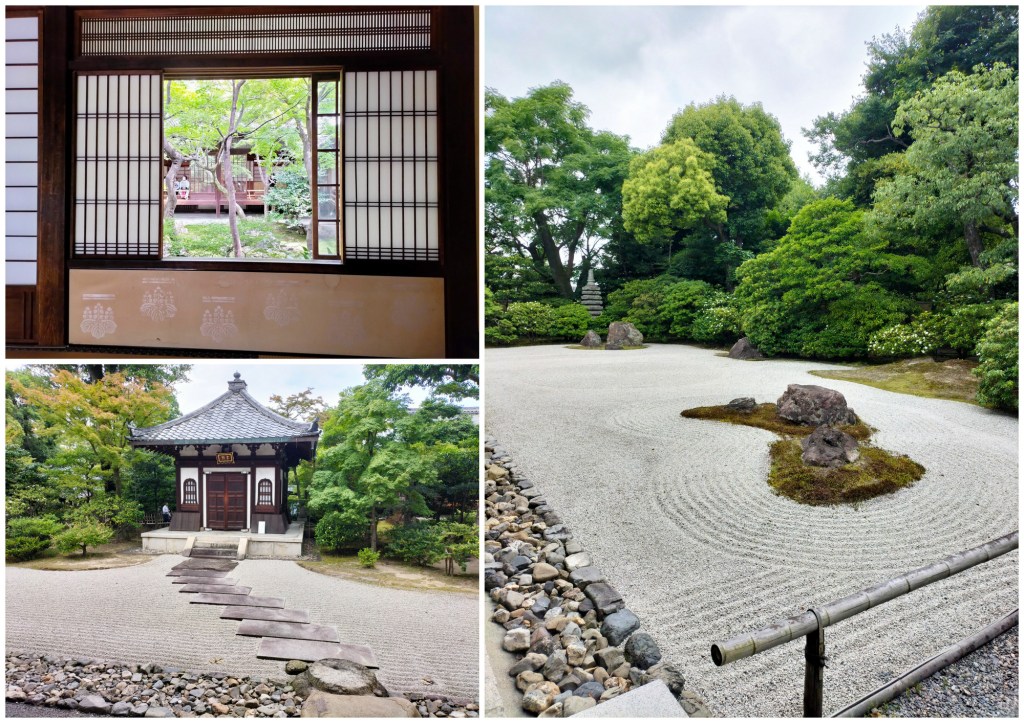
For all the hype that the zen movement has in the modern, western world, this is where it all started. Maybe not in a Big Bang sort of way. It’s giving more like Adam and Eve through the Buddhist monk who introduced Zen Buddhism and tea cultivation to Japanese folks upon his return from study trips to China. Does that make sense?
Going with the Big Bang theory, Zen’s origin can be traced to India. China was where it was formalised. From there, it made its way to Japan where it was warmly received by the samurai class — sword-wielding warriors who probably needed a lot of deep breathing exercises to improve their mental health.
This fantastic article about Zen Buddhism in Japan summarises it more succinctly. It’s also where I learned all these interesting trivia which I have a very high chance of forgetting as soon as I publish this blog.
Having said that, I particularly like this bit:
The essential element of Zen Buddhism is found in its name, for zen means “meditation.” Zen teaches that enlightenment is achieved through the profound realization that one is already an enlightened being. This awakening can happen gradually or in a flash of insight (as emphasized by the Sōtō and Rinzai schools, respectively). But in either case, it is the result of one’s own efforts. Deities and scriptures can offer only limited assistance.
A belief I genuinely subscribe to because I like the idea that we are all gods. Not in a “high and mighty” way because that would be egotistical, but in a we are all divine beings which is pretty cool kinda way. The trick is in being mindful about it and acting accordingly. Easier said than done.
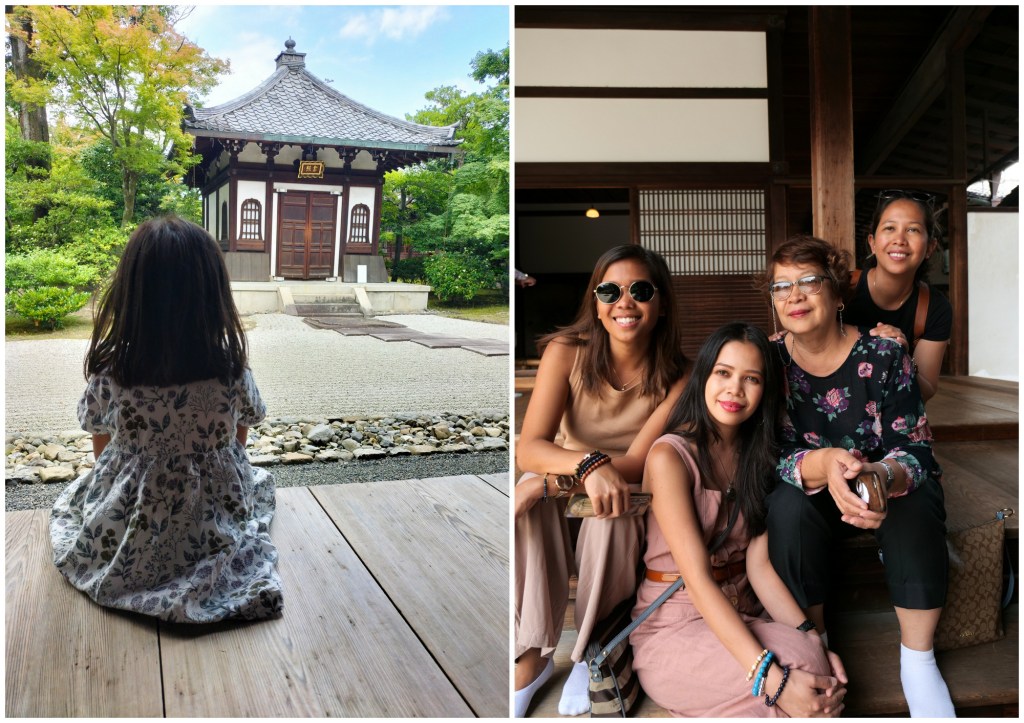
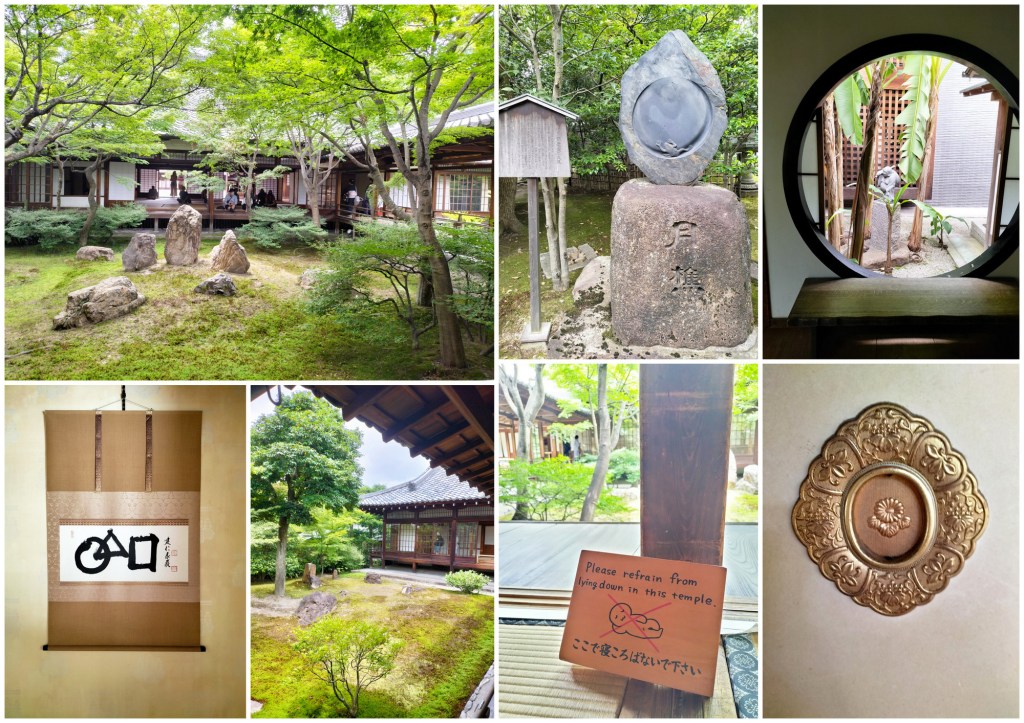
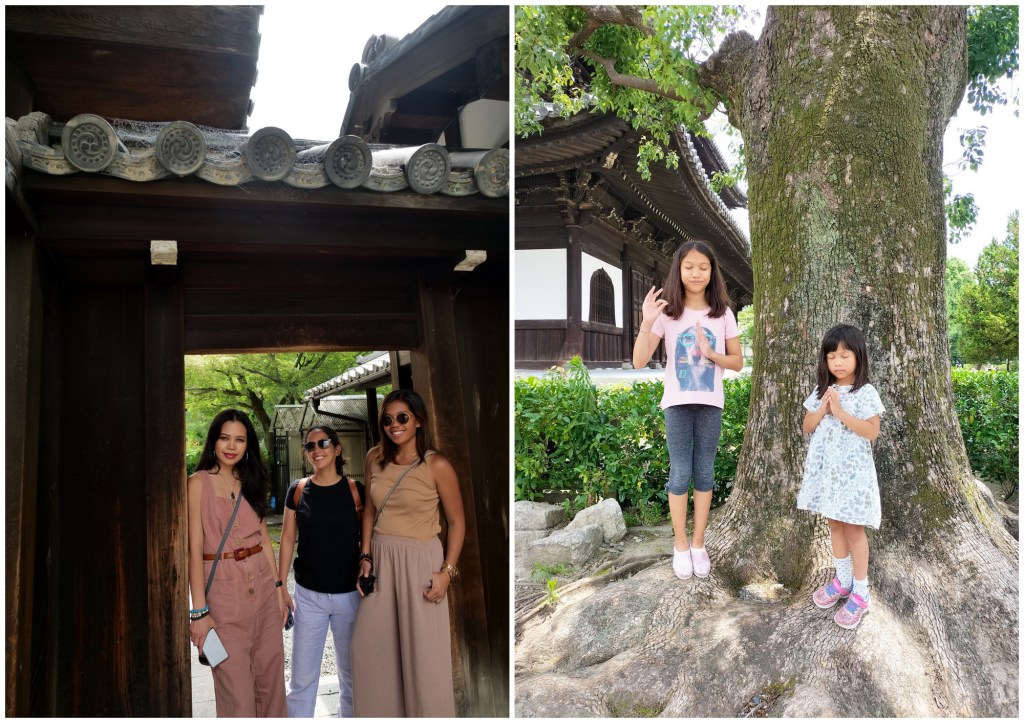
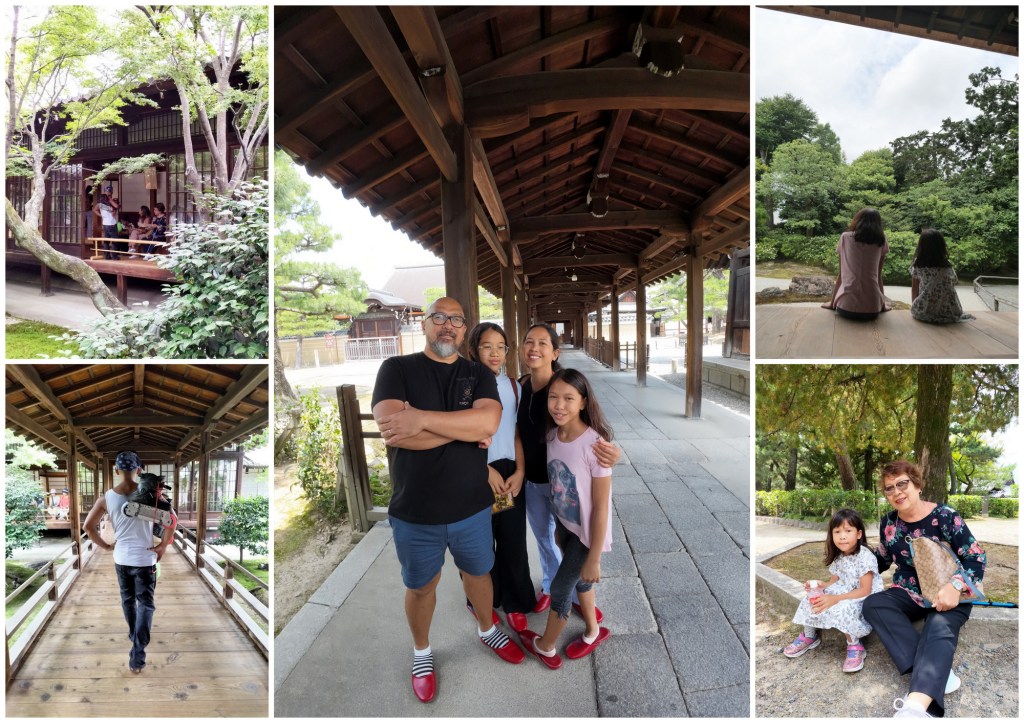
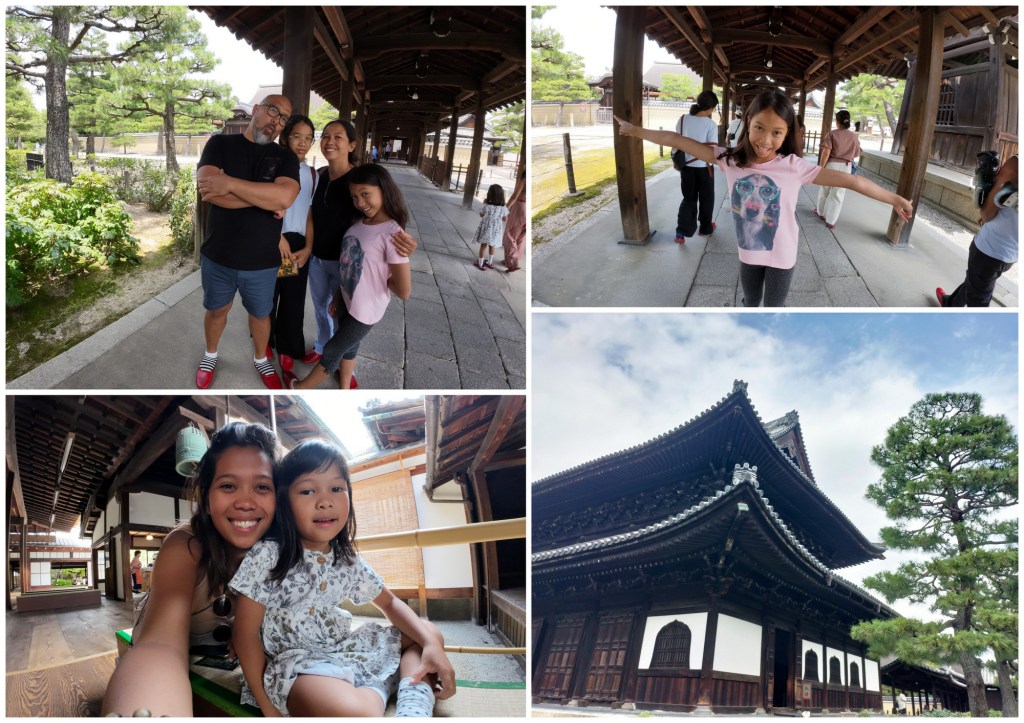
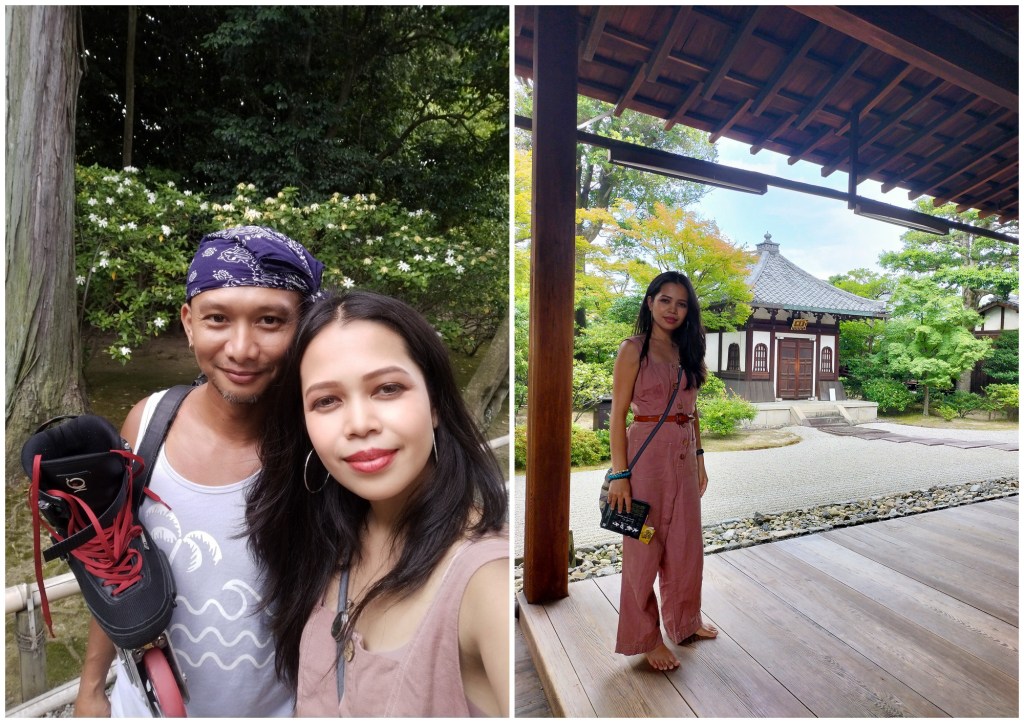
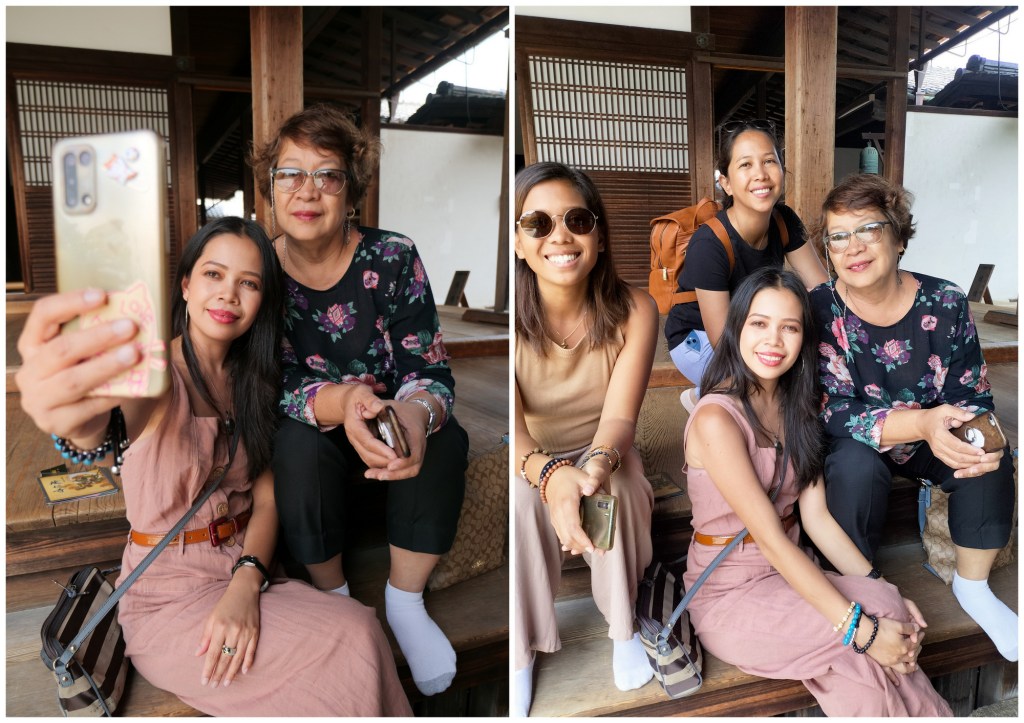
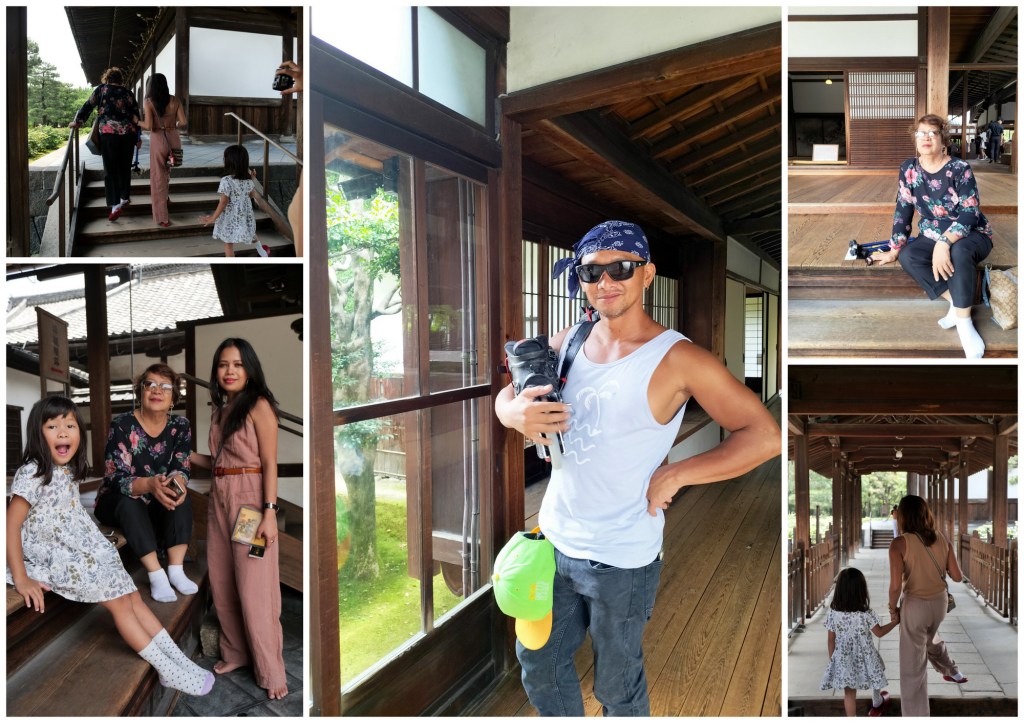
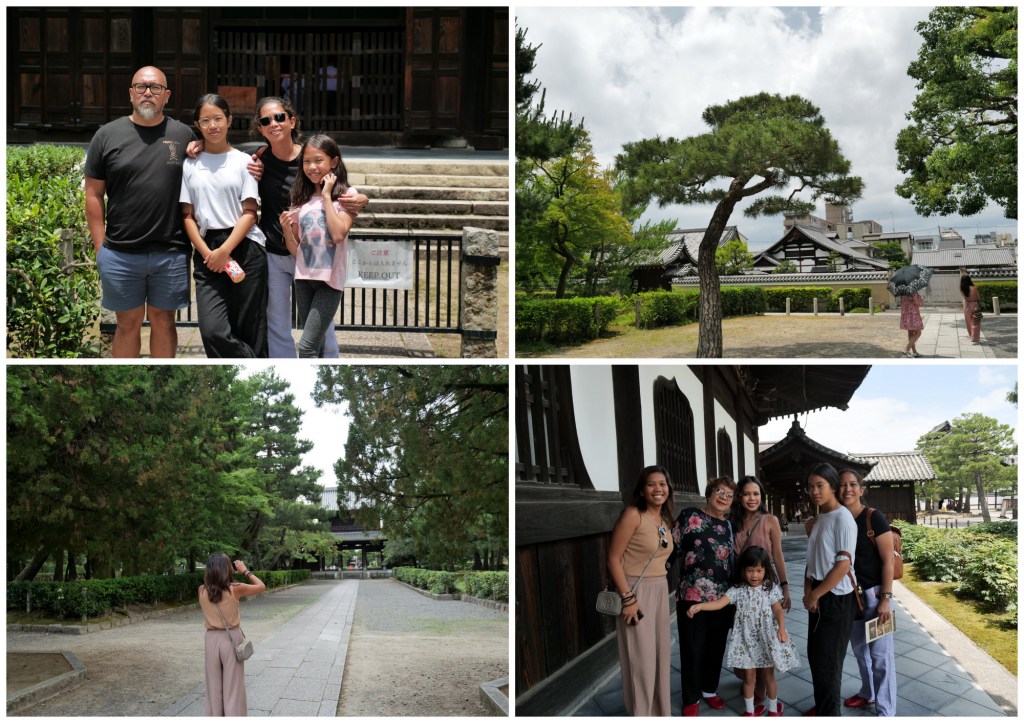
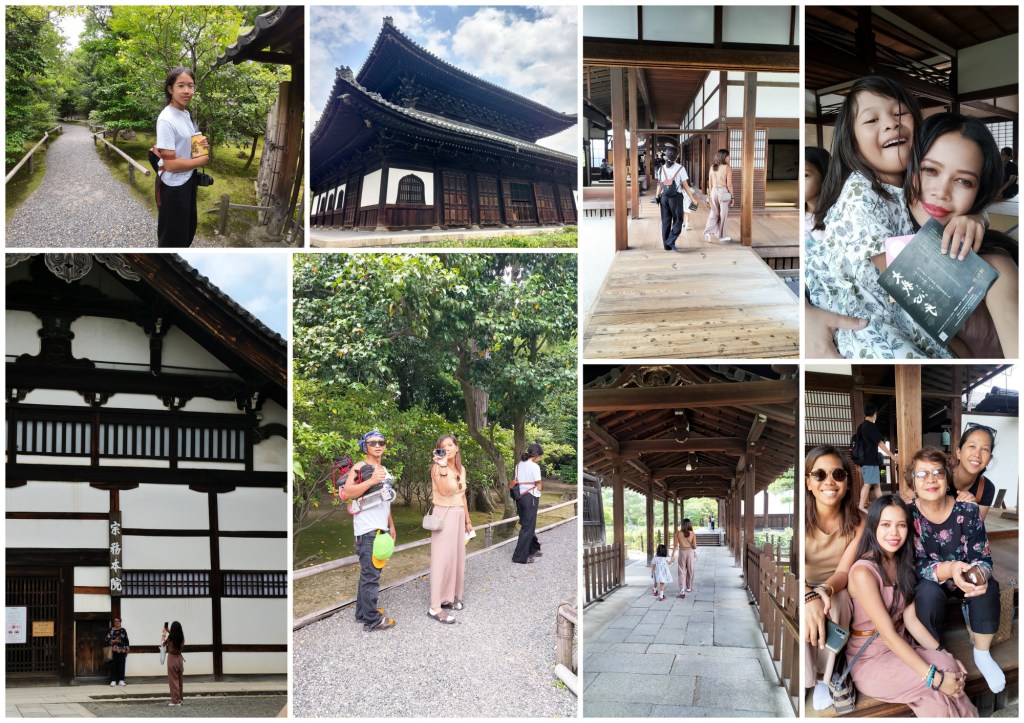
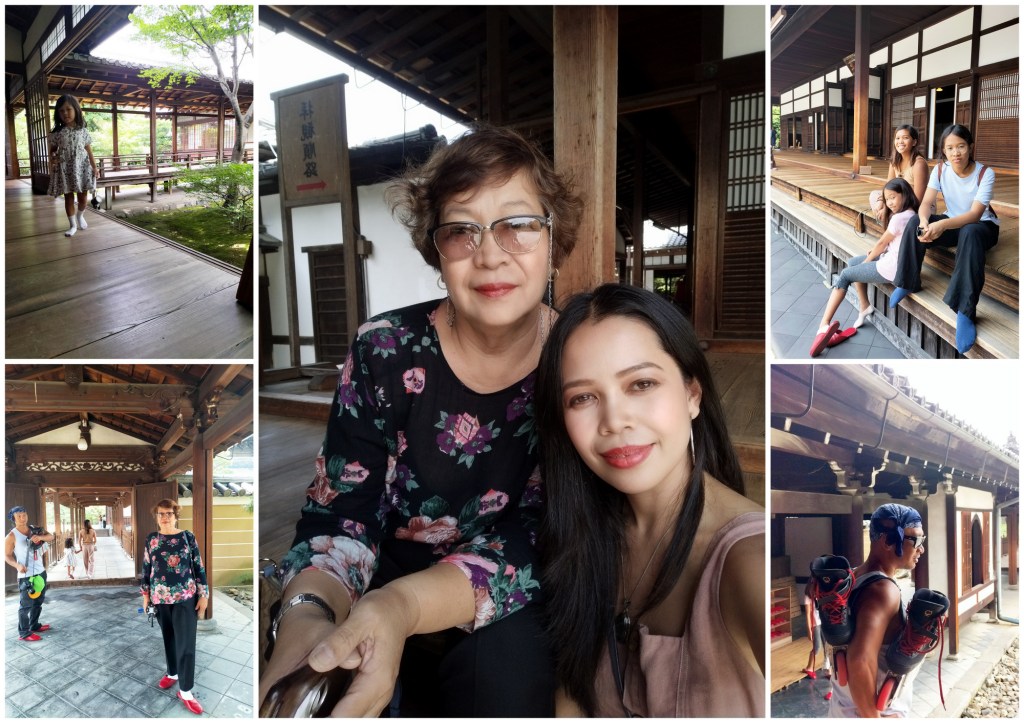
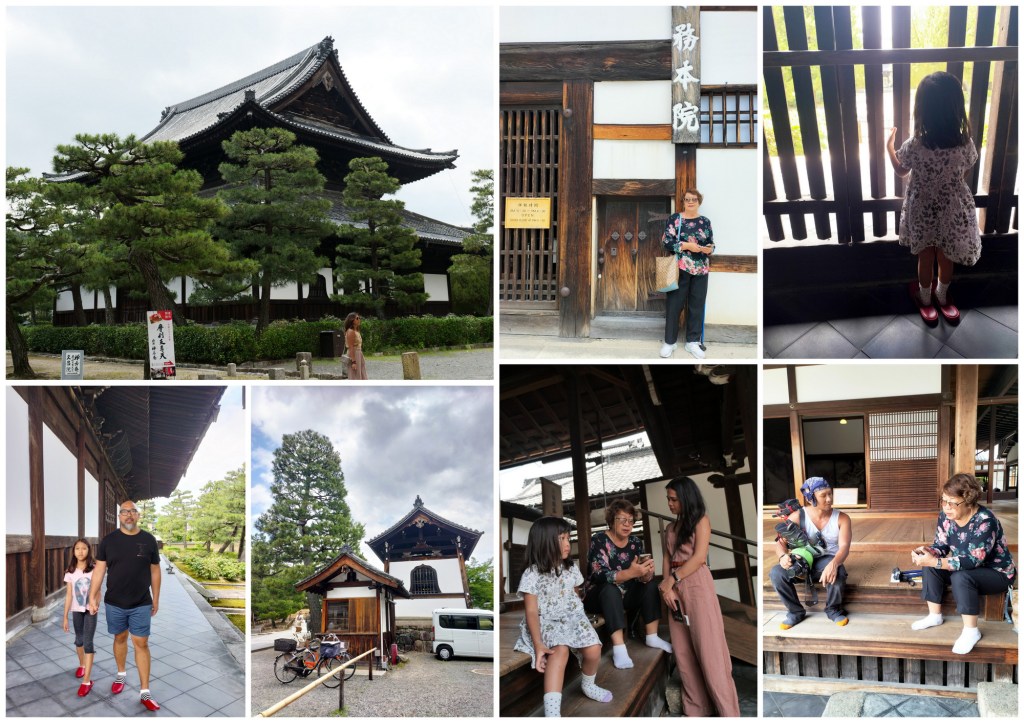
Peaceful is how I would describe Kennin-ji Temple. Even with the throngs of barefooted tourists walking on the beautiful smooth and solid wooden floors, there was a sense of respectful silence. An atmosphere of hushed harmony as some of us sat on benches and others on the floor to breathe in the beauty of simplicity and tranquility of the scenery that lay before us and welcomed us in a quiet embrace.
I remember sitting there and just staring at the grass as if it was the most captivating thing I had ever seen in my whole entire life.
Grass!
I reckon it was the simplicity of it all. The lack of distractions that allow you to take notice of the smallest of things and how fascinating they are. Everything in that garden was perfectly pristine. Everything was right where it should be and nothing felt out of place.
Not even me.
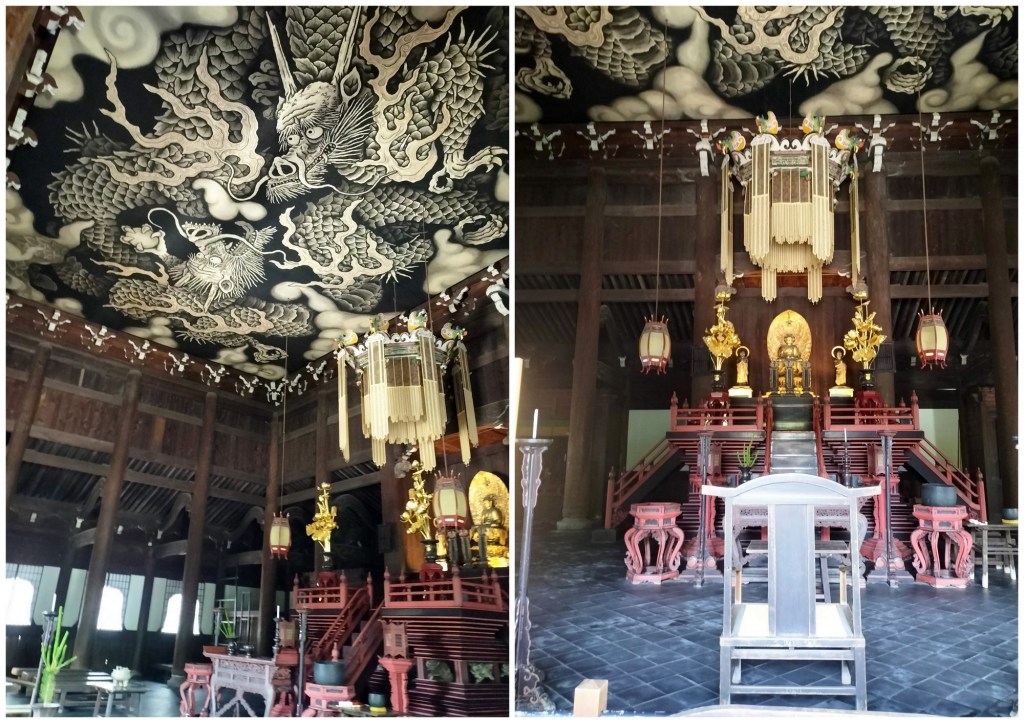
While the gardens were nice and pretty, the commemorative twin dragon artwork on the ceiling of the nearby Dharma Hall was simply breathtaking. It was all I could see. It was all I could look at.
It was a jolt to the system to see something so black and so bold after a reflective tour around the tame temple grounds.
I’m guessing the Dharma Hall was a place of prayer, with the altar taking centre space inside the cordoned off area guests couldn’t go into so I was left staring at the formidable wooden beams when I wasn’t staring at the ceiling.
I must’ve looked like an idiot.
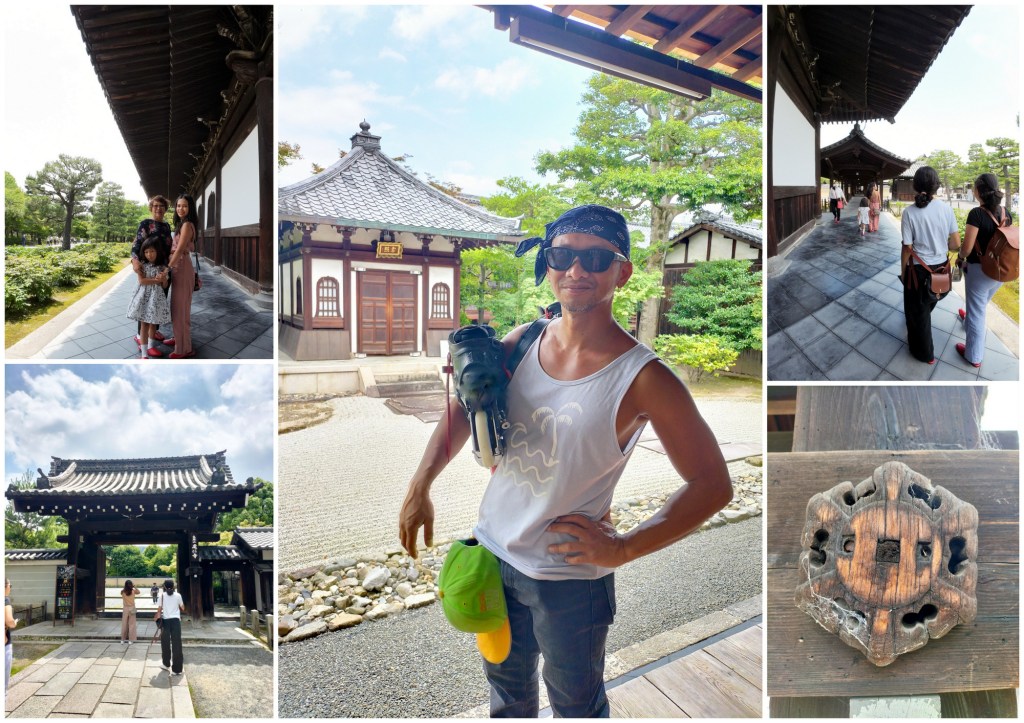
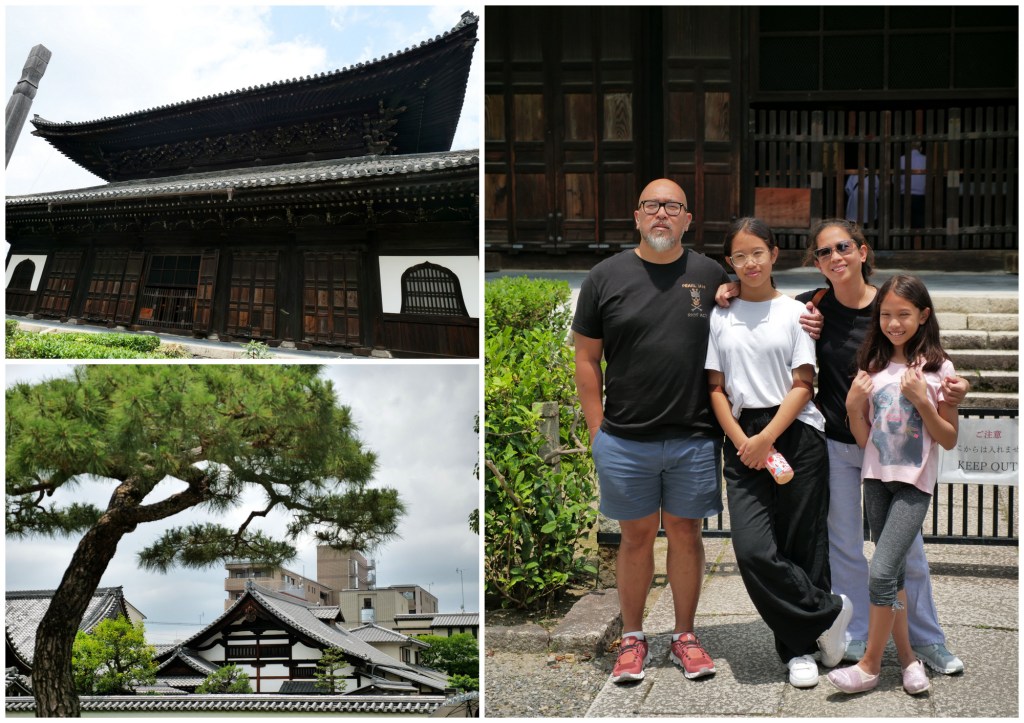
I have this thing with old wooden structures. I get fascinated with the patina they take on after surviving throughout the years. How they seem to develop a characteristic lustre. How the browns tend to become deeper and darker and quieter. Holding up not only roofs but stories and secrets untold.
I can only imagine how heavy those narratives are with Kennin-ji Temple being 821 years old at the time of our visit.



*Raven at 7 years old
 the pauses between